 DOT
DOT Extensions & loft conversions in Stoke-on-Trent & Staffordshire
The Potteries were built on coal and clay. House extensions don’t need a Coal Mining Risk Assessment, but the ground under your house still matters, and so do the 22 conservation areas. Here’s what we look at before building in Stoke and around Stafford.
Local information last checked October 2026Building on the North Staffordshire coalfield
All land in a coalfield is classed as either a Development High Risk Area or a Development Low Risk Area. You can check your own address on the government’s interactive map.
The good news: householder development is exempt from needing a Coal Mining Risk Assessment with a planning application, even in a high-risk area. Stoke-on-Trent City Council’s validation list follows the same government exemptions.
Being exempt from the paperwork doesn’t mean the ground doesn’t matter, though. Shallow workings or old mine entries close to your house can change how the foundations are designed.
If you’re buying, a CON29M coal mining report from the Mining Remediation Authority (the former Coal Authority) covers past and future mining, mine entries, subsidence and mine gas. Residential reports start from around £42.
Sources: Gov.uk · Stoke validation list · Mining Remediation Authority
Recent jobs in Stoke-on-Trent & Staffordshire
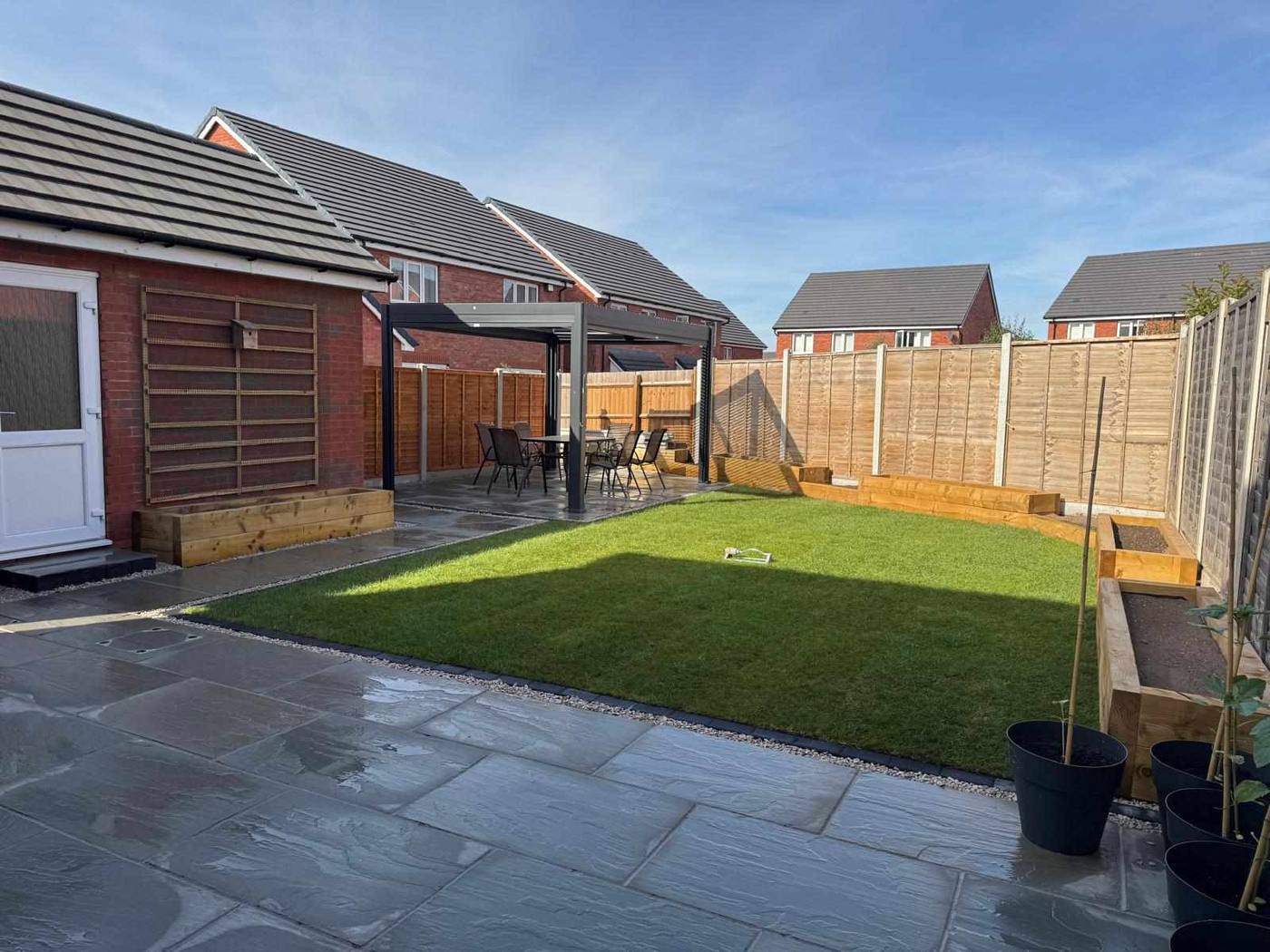
New-build garden, redone from scratch
We dug out the housebuilder’s standard patio and lawn and started again: a grey sandstone patio and path, a larger patio for a pergola at the bottom of the garden, and raised sleeper planters. About a month on site.
See the full project →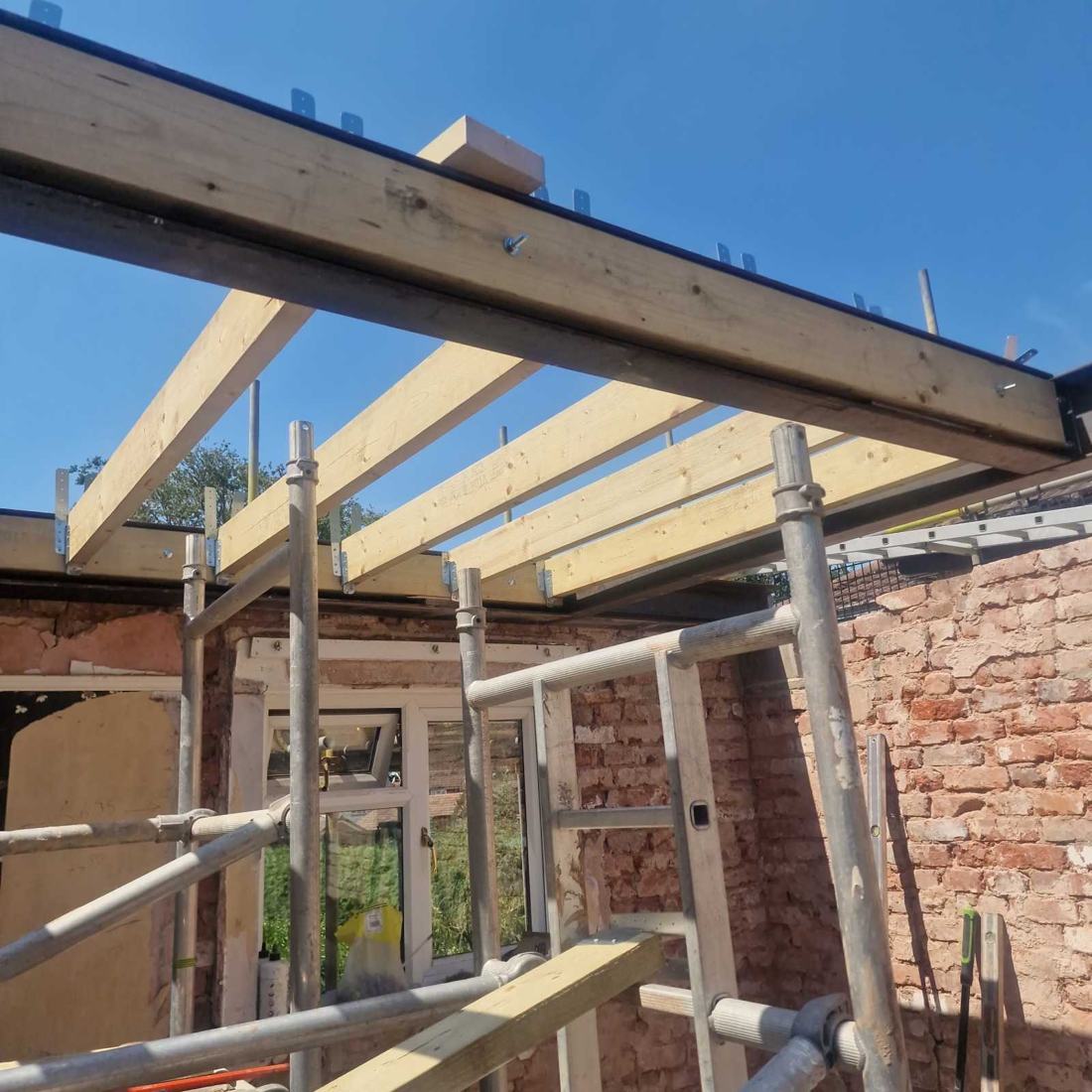
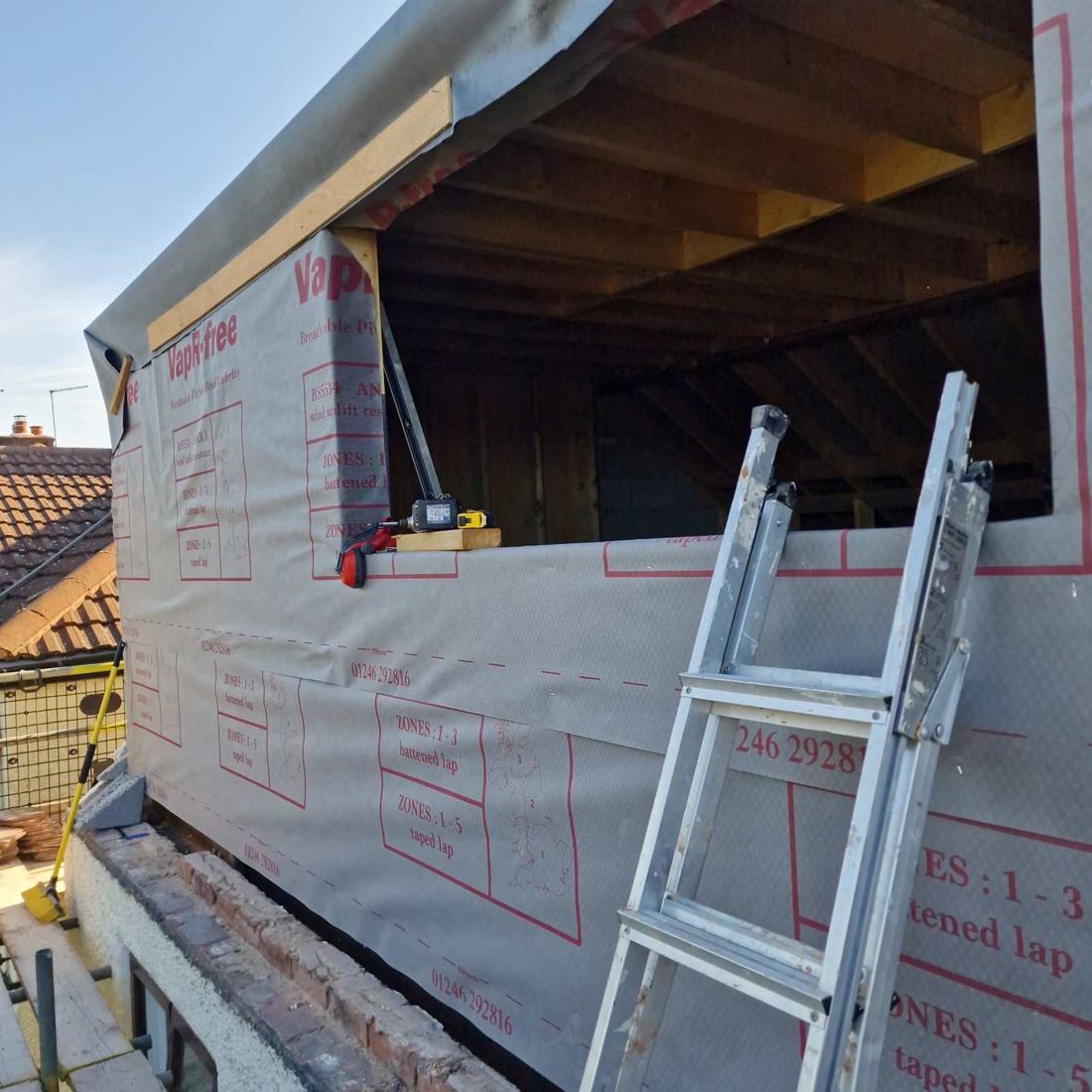
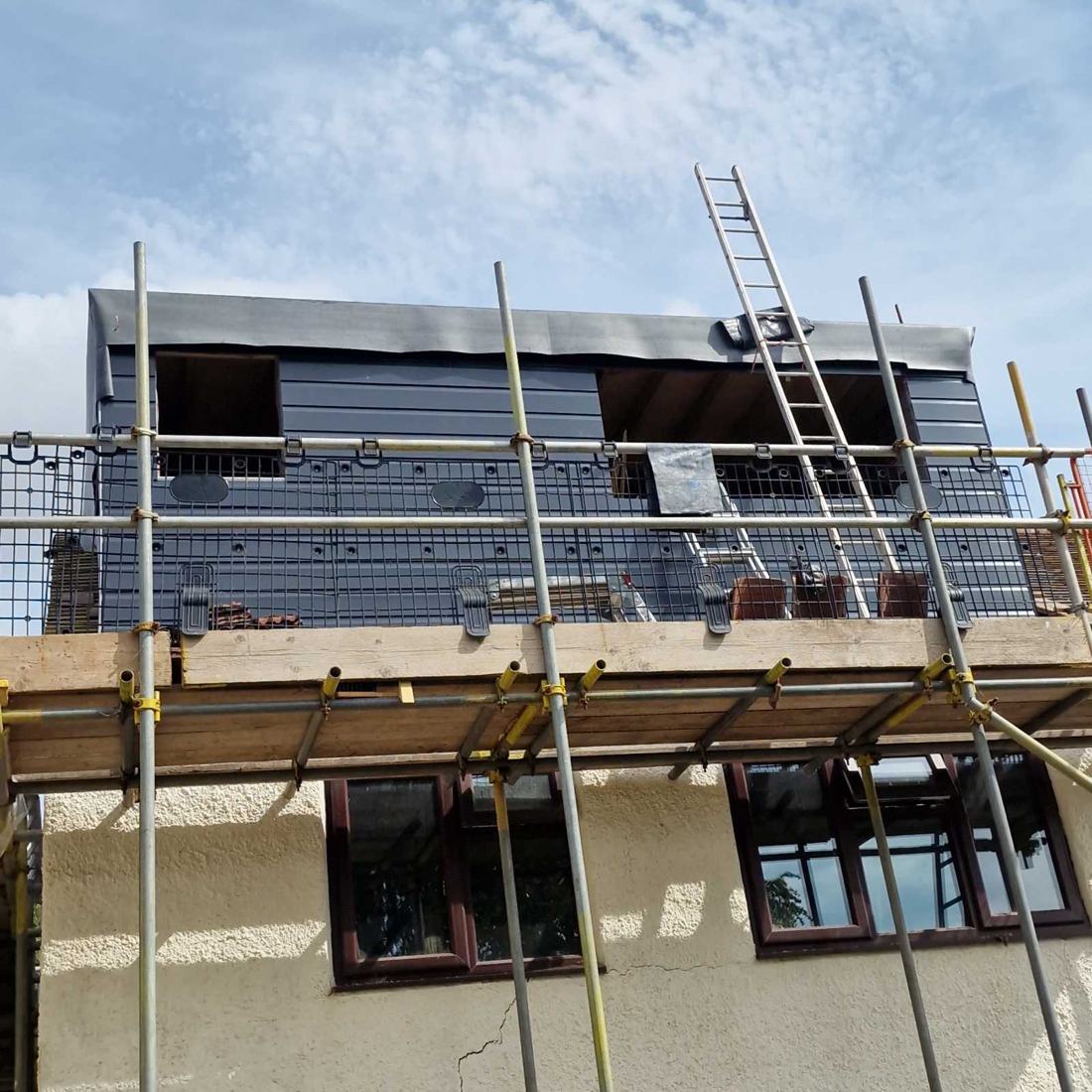
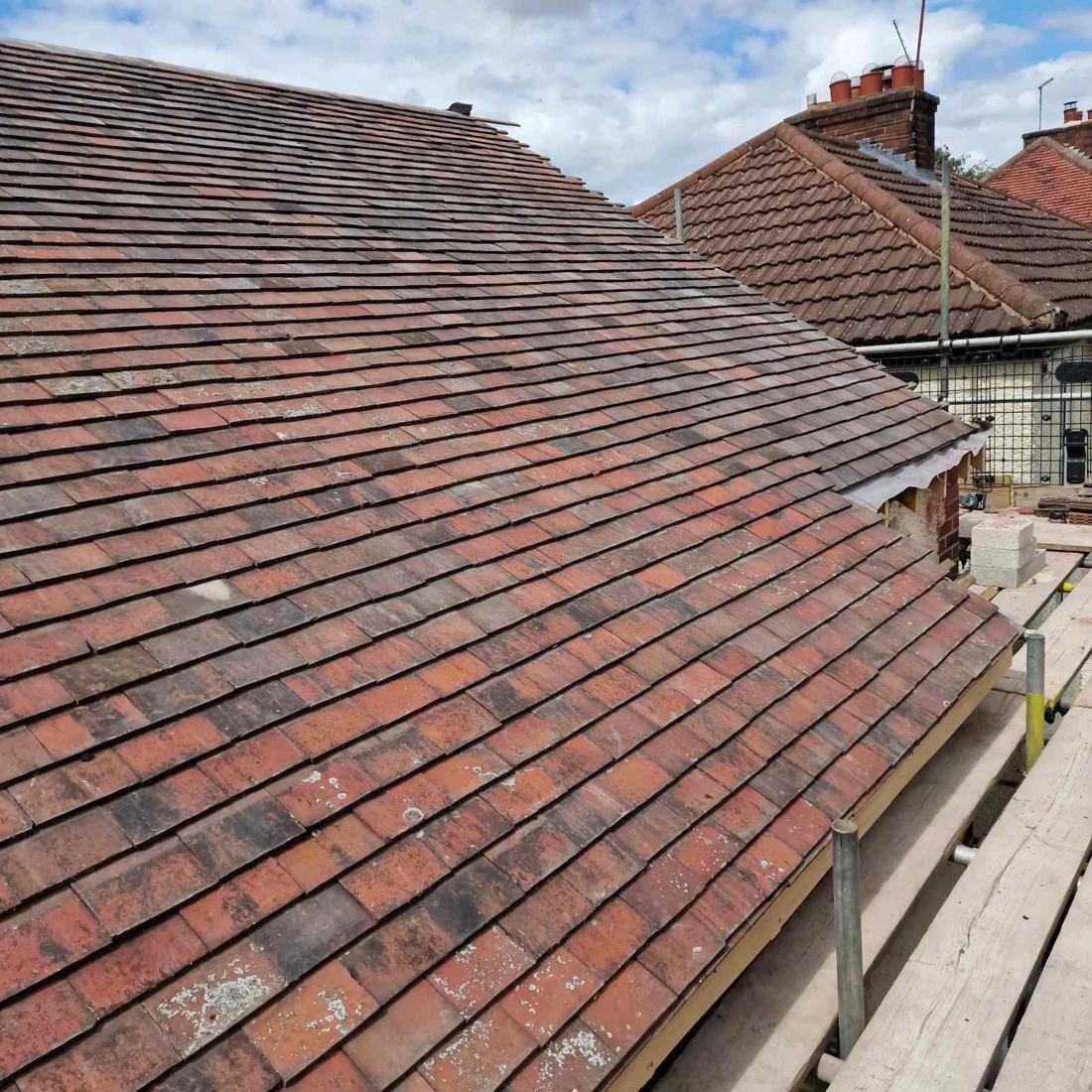
Hip-to-gable and rear dormer loft conversion
We rebuilt the sloping hip on the side of the house as a straight gable, added a full-width rear dormer clad in dark grey, and re-laid the main roof in clay plain tiles to match.
Little Haywood is in the Colwich and Little Haywood conservation area, where roof extensions don’t get Permitted Development rights, so check with Stafford Borough Council before planning anything similar.
Read the case study →Three more things we check in Stoke & Staffordshire
22 conservation areas in Stoke
Stoke-on-Trent has 22 conservation areas, including Hartshill and Burslem Town Centre. Winton Square in Stoke and Albert Square in Fenton were added in 2024.
Nineteen of them have Article 4 directions, which remove some of the changes you could otherwise make without planning permission.
Village conservation areas
Stafford Borough has 29 conservation areas, including Colwich and Little Haywood (designated 1974). In conservation areas and National Landscapes (formerly AONBs):
- every side extension needs planning permission
- so does any rear extension of more than one storey
- cladding needs permission
- roof extensions don’t get Permitted Development rights at all
Fowlea Brook & the Trent
The Environment Agency’s £12.6m Fowlea Brook flood scheme near the Spode site was completed in February 2026. It protects 333 homes and businesses.
If you’re near the Trent or a brook, check your address on the government flood map before you plan an extension.
Stoke-on-Trent, Newcastle, the Moorlands or Stafford?
| If you live in… | Planning is handled by | Building control |
|---|---|---|
| Stoke-on-Trent city Tunstall, Burslem, Hanley, Stoke, Fenton, Longton | Stoke-on-Trent City Council | Shared Stoke-on-Trent & Newcastle service |
| Newcastle-under-Lyme | Newcastle-under-Lyme Borough Council | Shared Stoke-on-Trent & Newcastle service |
| Staffordshire Moorlands Leek, Biddulph, Cheadle | Staffordshire Moorlands District Council | Derbyshire Building Control Partnership (for Staffordshire Moorlands) |
| Stafford Borough Stafford, Stone, Little Haywood, Colwich | Stafford Borough Council | Shared Cannock Chase & Stafford service |
You can use a private, approved Building Control inspector instead of the council. We’ll recommend whichever suits the job.
The houses we see most, and what usually works
Figures from Stoke-on-Trent City Council’s 2017 private sector housing survey. The “usually suits” notes are based on our experience as builders, not council rules.
Victorian terraces
Built for pottery and mining workers across the six towns, often with a rear outrigger.
Usually suitsRear and side-return kitchen extensions, and rear dormer lofts within the smaller 40m³ terrace allowance.
Interwar homes
Nearly a quarter of Stoke’s private homes date from between the wars, many of them semis with hipped roofs.
Usually suitsHip-to-gable and dormer lofts, and single-storey rear extensions.
Post-war & modern
Well over half of the city’s private homes were built in 1945 or later.
Usually suitsRear and wrap-around extensions and garage conversions. Check your deeds for covenants on newer estates.
Questions we get asked locally
Do I need a coal mining report to extend my house in Stoke?
Not for the planning application. Householder extensions are exempt from a Coal Mining Risk Assessment. It’s still sensible to check the government’s mining map for your address early, because old workings can affect the foundation design.
Can I do a loft conversion in a conservation area?
Usually, yes. Roof extensions in conservation areas don’t get Permitted Development rights, so a conversion that keeps the existing roofline is usually the simplest to get approved. Anything that changes the roof shape, like a dormer or hip-to-gable, needs a full application, so speak to the council early.
Do you cover Stafford, Stone and Newcastle-under-Lyme?
Yes, along with the six towns of Stoke and the surrounding villages.
Useful next reads
We’ve linked to the official sources so you can check the detail for your own address. Council rules and fees change, so always confirm with your council before applying.
Planning building work in Stoke or Staffordshire?
Tell us your address and what you’re after. We’ll check the mining map, the conservation rules and which council covers you, and give you a fixed price.
Our services in Stoke-on-Trent
Every service below is available in Stoke-on-Trent and the villages around it, with a free site visit and fixed-price quote.